
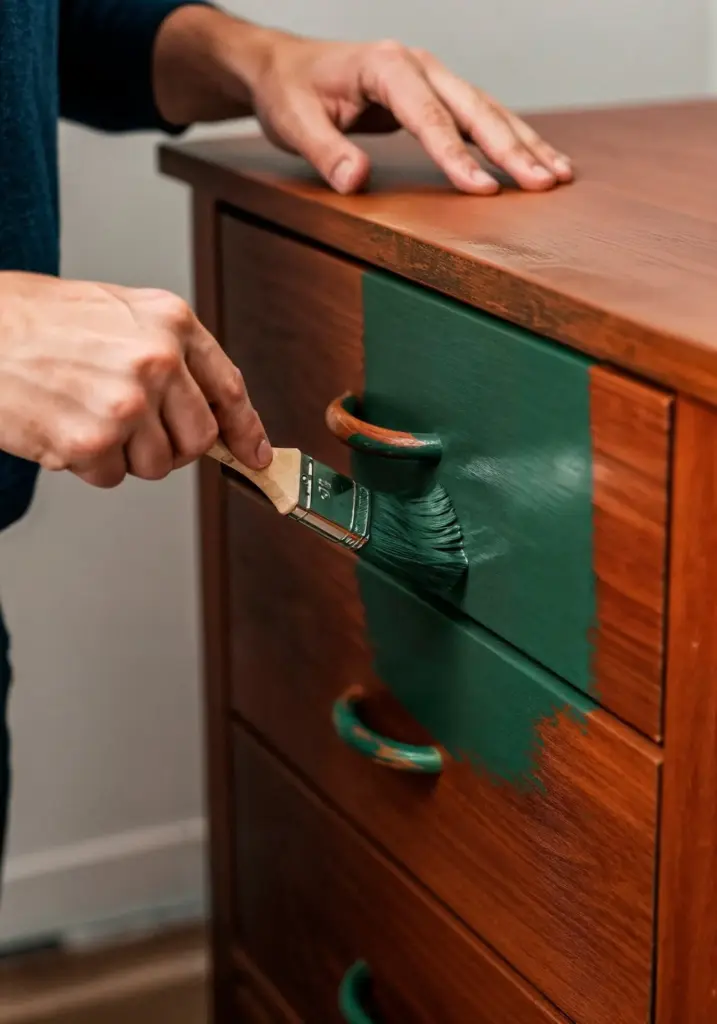
From Starter Fixes to Custom Finishes: A Phased Renovation Journey

Ready to pace your project with confidence? Today we dive into phased renovations—planning upgrades from starter fixes to custom finishes—so you can transform a home without draining energy or savings. We will outline practical sequences, smart budgeting habits, and design decisions that build momentum, protect sanity, and respect real life. Expect stories, checklists, and encouragement to move step by step, celebrate wins, and keep the vision intact even when sawdust flies.

Map the Journey and Set a Master Plan

Before swinging a hammer, map your destination. A clear master plan turns scattered wishes into an achievable path, aligning safety, comfort, and style with calendar realities. We’ll translate dreams into phases, match tasks to seasons, and identify dependencies so critical systems happen before visible polish. This approach reduces rework, clarifies budgets, and sets expectations for family, neighbors, and contractors. With a flexible backbone and measurable milestones, progress feels steady, setbacks feel smaller, and decisions stop hijacking every weekend.

Assess What You Have, Honestly

Walk room by room with a flashlight and notepad, noting service life, moisture risks, airflow, trip hazards, and anything that squeaks, sticks, or smells. Photograph panels, valves, and serial plates. A tiny weeping shutoff discovered early once saved a client thousands by rerouting plumbing during another phase, proving careful assessment compounds benefits across the whole plan.

Prioritize Rooms, Systems, and Lifestyle Wins

Use a simple matrix ranking safety, cost, disruption, and joy. A small nursery soundproofing upgrade may beat a bigger vanity if sleep is precious. For remote workers, wiring and office comfort outrank guest bath glamour. Let priorities reflect the life you actually live today, not an aspirational catalog image.

Build a Timeline That Bends, Not Breaks

Sequence noisy, dusty work during travel windows, school breaks, or outdoor seasons. Account for lead times, permit reviews, and shipping surprises. Add buffers between major trades to avoid pileups. A four-week cushion can save relationships and budgets. Plan partial completions that restore function each Friday, so weekends feel like home again.

Quick Wins That Stretch Budgets

Starter fixes create momentum and free cash for later phases. Focus on safety, cleanliness, light, and air before chasing ornate upgrades. Fresh paint, higher-lumen bulbs, deep cleaning, and sealing drafts transform comfort quickly. These wins clarify what truly needs replacement versus what simply needed care, ensuring expensive moves target the right problems.

Safety, Codes, and Insurance Peace of Mind

Begin with ground-fault protection near water, working smoke and carbon monoxide alarms, secure handrails, and anti-scald settings. Document corrections with photos and receipts; many insurers appreciate proactive maintenance. You sleep better, trades feel safer, and inspectors notice the effort. Starting with protection also earns goodwill when you request inspection flexibility later.

Paint, Light, and Clean: The Big-Impact Trio

Neutral walls with crisp trim lines stretch rooms visually, especially when paired with layered lighting. Try warm 2700K lamps in bedrooms for calm, cooler 4000K in work zones for focus. A client once swapped bulbs, scrubbed grout, and repainted doors, and guests asked which contractor remodeled. Sometimes sparkle is elbow grease plus lumens.

Small Swaps, Smarter Homes

Replace tired hardware, faucet cartridges, and failing thermostats with efficient, reliable parts. Weatherstrip exterior doors and insulate outlets on exterior walls; comfort rises immediately. These changes teach the house to behave, reduce utility costs, and make everyday touchpoints feel intentional, buying patience while you plan bigger steps without impulsive splurges.

Structure, Envelope, and Weather Windows

Address roof leaks, flashing, and grading first, ideally during dry seasons that help verify fixes. Upgrade gutters and downspouts before repainting fascia. If you must open walls, schedule when humidity is reasonable and materials can acclimate. A tight envelope protects every subsequent dollar, from hardwood planks to handmade plaster.

Rough-Ins, Insulation, and Sound Control

Pull extra electrical circuits, low-voltage lines, and conduit for future flexibility while walls are open. Specify higher R-values and targeted acoustic mats near offices, nurseries, and shared walls. A neighbor who pre-wired for Ethernet later avoided Wi‑Fi dead zones, proving foresight behind the drywall is the cheapest performance upgrade available.

Permits, Inspections, and Rework Prevention

File early, bring clear drawings, and treat inspectors as collaborators. Invite pre-cover inspections and photograph every wall with a tape measure for scale. Label runs and junctions. Those images become priceless when adding a shelf or fixing a drip years later, stopping unnecessary demo and headaches before they start.

Money Mechanics: Budget, Finance, and Contingencies

Cash flow matters more than totals. Create phase-based budgets with allowances for fixtures and finishes, then add a 10–20 percent contingency that you fiercely protect. Compare financing options carefully, consider timing purchases during sales, and track invoices weekly. Transparency keeps trust intact, enabling better pricing and smoother scheduling with your team.

Design Cohesion Across Every Phase

Consistency makes incremental upgrades feel intentional, not patchy. Create a guiding palette, repeat materials, and align profiles so new work respects existing character. Plan transitions as carefully as focal points. Even while budgets ebb and flow, a coherent visual language unites rooms, calms choices, and builds value beyond the sum of parts.

Create a House Palette and Material Grammar

Choose two primary neutrals, a supporting accent, and one bold color you deploy sparingly. Limit metals to one warm and one cool finish across rooms. Repeat a wood tone for thresholds and shelves. This grammar simplifies decisions, reduces waste, and helps every phase click together convincingly.

Timeless Cores, Trendy Layers

Invest in durable flooring, classic tile shapes, and robust cabinet boxes. Express personality through paint, textiles, art, and hardware that can evolve cheaply. When a style shift arrives, you refresh accents without landfill regret. One weekend of new pulls and linen curtains once modernized a tired space beautifully.

Visualize Decisions and Test in Real Light

Pin large samples on walls, move them around, and review morning, noon, and night. Photograph options beside floors and counters. Use digital models for layout, then trust full-size mockups for ergonomics. Talking through these snapshots with family reduces conflict, protects budgets, and ensures your next phase lands confidently.


Custom Finishes and a Confident Closeout

When the groundwork is solid, special details finally sing. Schedule artisans with generous lead time, protect surfaces diligently, and stage work to avoid cross-trade collisions. Close with a meticulous walkthrough, punch list, and system commissioning. Celebrate the journey, share lessons, and set maintenance rituals that preserve beauty for years.
Tizonexaxofipi
Privacy Overview

This website uses cookies so that we can provide you with the best user experience possible. Cookie information is stored in your browser and performs functions such as recognising you when you return to our website and helping our team to understand which sections of the website you find most interesting and useful.