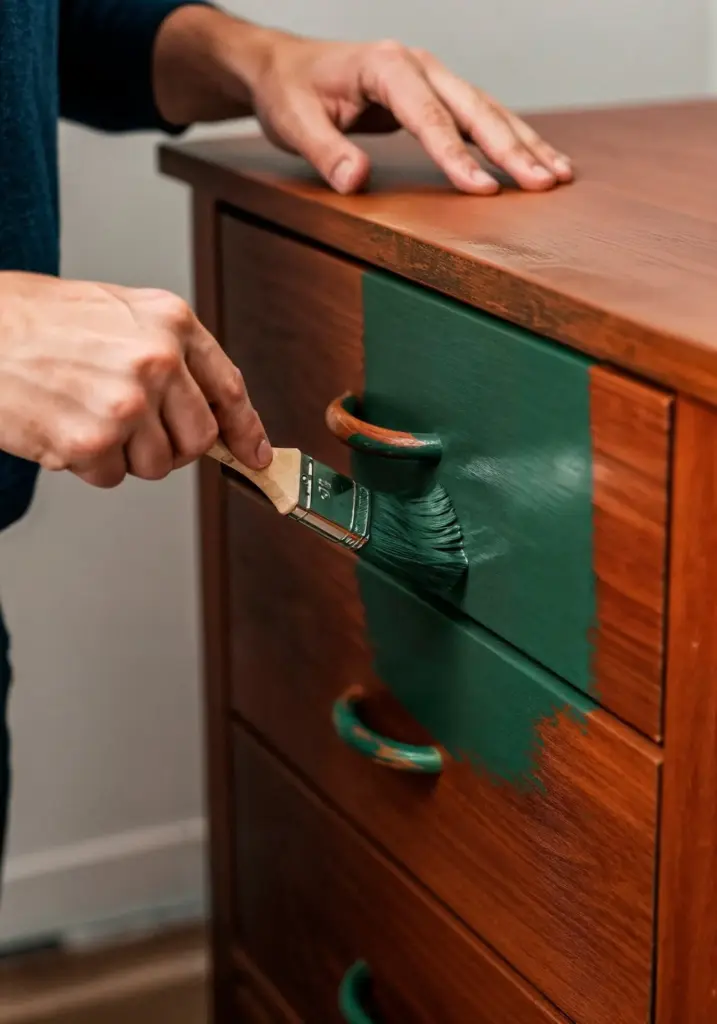
Make It Yours, Make It Masterful

Today we explore DIY Touches vs Artisan Craftwork: Blending Personal Projects with Professional Details, showing how your hands and a craftsperson’s mastery can coexist beautifully. Expect practical frameworks, tender stories, and actionable checklists. Share your questions, subscribe for future experiments, and brag about your victories in the comments.

Finding the Right Balance

Deciding what to keep for your own hands and where to invite a specialist shapes results, budgets, and joy. We’ll weigh safety, structural integrity, and tolerances against sentiment and learning. Practical decision matrices help you choose confidently, preserving pride while protecting timelines, wallets, and the long-term performance of the object you’re making.

Materials and Methods That Meet in the Middle

Pair accessible materials with craft‑grade processes to raise the baseline. Choose lumber with 6–8% moisture for interiors, use shellac to lock tannins, and respect finishing schedules. Let artisans handle forged hardware or kiln‑fired accents while you prepare surfaces, assemble substructures, and celebrate contrasts that feel intentional rather than accidental.

Smart Material Pairings

Mix big‑box substrates with elevated touches: birch ply with solid‑brass pulls, factory tile punctuated by hand‑thrown liners, budget fabric trimmed with selvedge leather. Design around strengths and weaknesses, hiding economical cores while featuring honest, durable highlights that will patina gracefully and make wear look like a planned story.

Finish Like a Pro

Finishes are chemistry and patience. Respect open time, film build, and cure cycles. Scuff between coats, adjust for humidity, and test stain on offcuts. For reactive woods, seal with dewaxed shellac before water‑based topcoats. When in doubt, let a finisher spray difficult coatings you spec and color‑match.

Design Playbook: From Sketch to Showcase

Good blends start on paper. Build moodboards that embrace contrast, sketch proportions, and mock scale with cardboard or tape. Draft basic drawings with dimensions, tolerances, finish callouts, and load assumptions. Share digital files or simple diagrams with artisans, inviting feedback that prevents surprises and preserves your original intent through production.

Real Stories from the Workshop and Living Room

Stories carry methods into memory. You’ll meet a family table marrying reclaimed oak with a blackened‑steel base, a backsplash that pairs budget tile with handmade accents, and a lamp combining a 3D‑printed lattice with artisan‑blown glass. Each tale shows pitfalls, fixes, and how collaboration amplifies delight and durability.

Budgeting, Timeframes, and Expectations

Numbers nurture courage. Split costs into materials, tools, labor, finishing, and contingencies. Expect artisan lead times, deposits, and revision limits. Build buffers for drying, shipping, and inevitable surprises. Communicate test windows and approvals, then track progress openly so everyone feels respected, paid fairly, and proud of the final result.

Collaborating with Artisans Like a Good Neighbor

Finding the Right Craft Partner

Look where craft lives: guild directories, juried markets, maker spaces, and local shows. Review portfolios for material fluency and scale. Ask for references. Start small, then grow complexity. You’re not just purchasing labor; you’re aligning values so your object carries both care and consistent, repeatable excellence.

Clear Agreements, Clear Smiles

Use a simple contract. Define scope, drawings, tolerances, change orders, payment milestones, ownership of tools and jigs, and what happens to offcuts. Decide how installation and punch lists are handled. Clarity turns potential friction into predictable cadence, making the making feel collaborative, friendly, and delightfully professional.

Aftercare and Lasting Relationships

Ask for maintenance notes: oil schedules, safe cleaners, and seasonal checks. Share how the piece behaves over months, not just on day one. Send photos in use. Referrals and repeat work flow naturally when both sides feel respected, credited, and excited to improve the next build together.
Tizonexaxofipi
Privacy Overview

This website uses cookies so that we can provide you with the best user experience possible. Cookie information is stored in your browser and performs functions such as recognising you when you return to our website and helping our team to understand which sections of the website you find most interesting and useful.